Explore the depths of Diablo IV
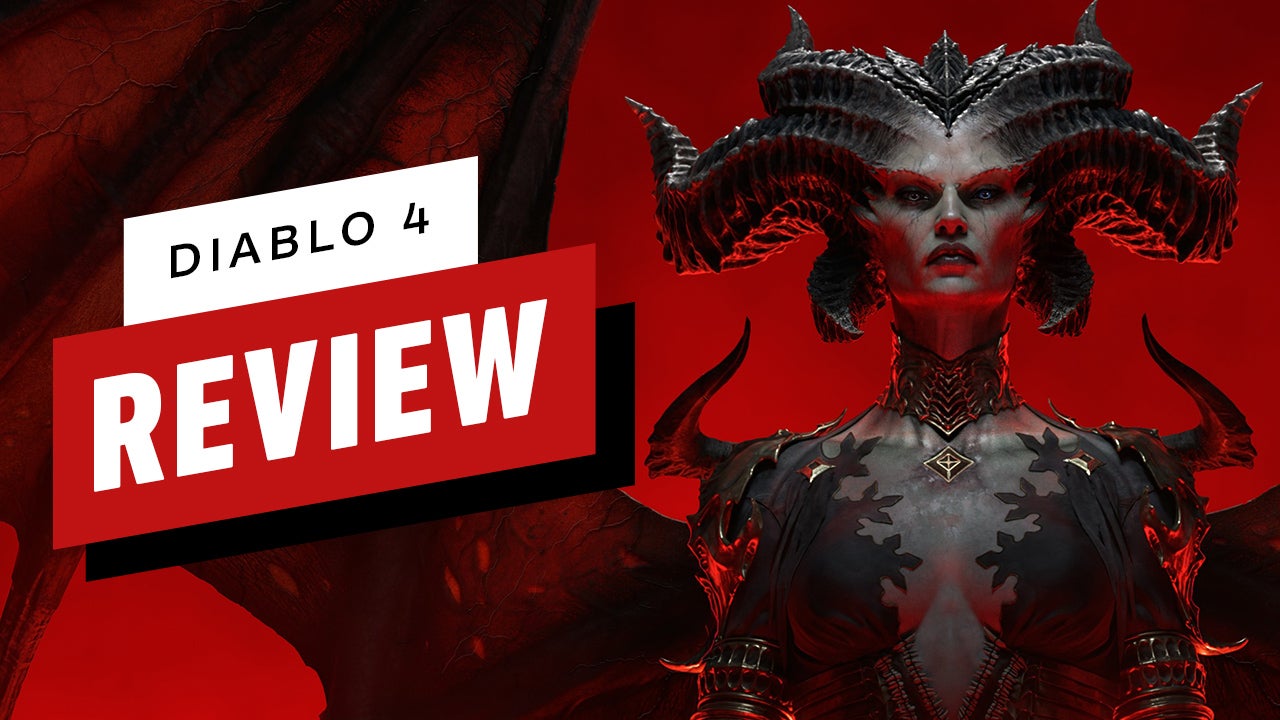
Diablo 4 is the highly anticipated fourth installment in Blizzard Entertainment’s iconic action RPG series. After the mixed reception of Diablo 3 and the success of Diablo 2: Resurrected, fans of the franchise had high hopes for the next chapter. Fortunately, Diablo 4 delivers in spades, combining the series' dark, gothic aesthetic with modern gameplay mechanics and a rich open world. In this comprehensive review, we will break down the different elements of Diablo 4, from its open world and dungeons to its lore, trading system, and overall gameplay experience.
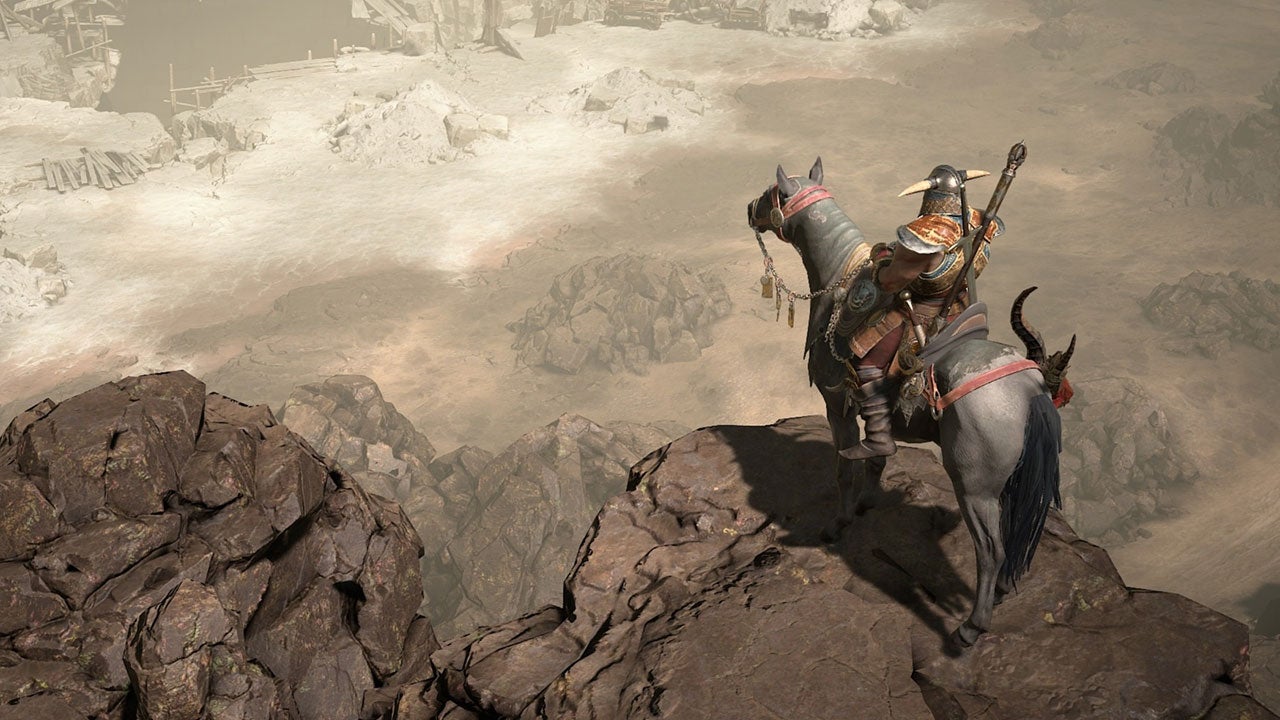
One of the most significant changes in Diablo 4 is the introduction of an open-world structure. Unlike its predecessors, which confined players to specific acts and linear progression, Diablo 4 offers a massive, seamless world to explore. Sanctuary feels alive and dynamic, filled with towering mountains, cursed forests, haunted deserts, and corrupted swamps. The world is divided into five distinct regions, each with its own biomes, enemies, and challenges.
The open world gives players the freedom to roam wherever they like, whether that’s venturing into a new dungeon, discovering hidden secrets, or stumbling upon a world event. These world events bring a sense of urgency and community to the game as players can team up to take down massive world bosses or protect settlements from demon invasions. The sheer scale of the map encourages exploration, rewarding curious players with rare loot, hidden lore, and new challenges.
Towns and settlements are filled with NPCs that react to your choices, while the environment itself changes as corruption spreads across Sanctuary. The open world in Diablo 4 gives the game a level of immersion and freedom that’s unprecedented for the series.
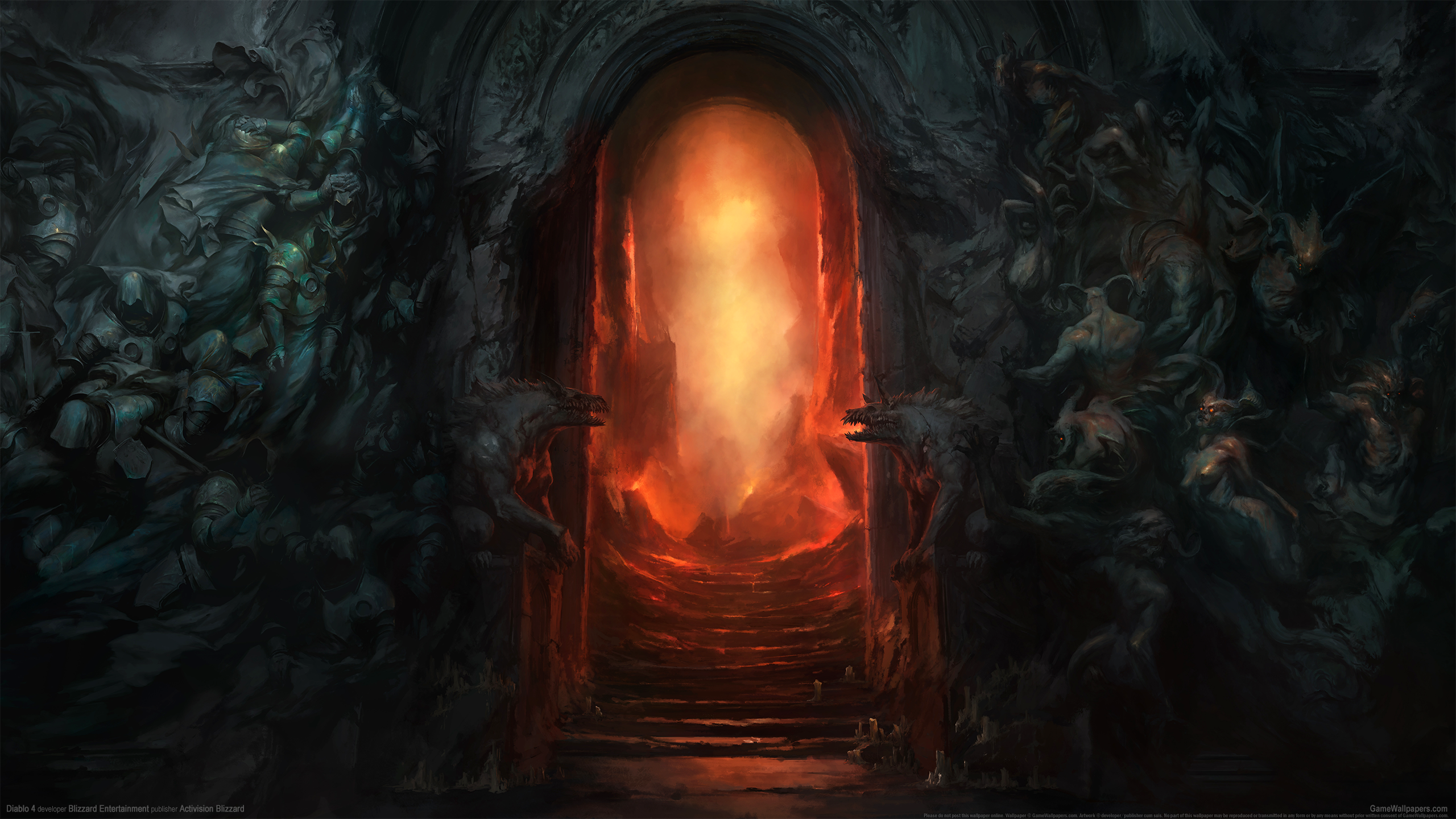
From the moment you step into Diablo 4, it’s clear that Blizzard has returned to the dark, gothic roots of the series. The atmosphere is oppressive and sinister, filled with grotesque imagery, blood-soaked environments, and eerie soundscapes. Visually, Diablo 4 is a masterpiece, with its stunning art direction and use of lighting creating a truly immersive experience.
The game's color palette is muted, dominated by shades of gray, black, and red, which perfectly complements the dark tone of the story. The world feels bleak and dangerous, which is further amplified by the excellent sound design. Whether it’s the sound of distant whispers, the clashing of steel in battle, or the ominous chants in the background, every audio cue adds to the overall feeling of dread.
This return to a more mature and dark aesthetic is a welcome change after the more colorful and vibrant look of Diablo 3. It’s clear that Blizzard wanted to create an atmosphere that would make players feel as though they are truly fighting for survival in a world overrun by evil, and they’ve succeeded in doing just that.Towns and settlements are filled with NPCs that react to your choices, while the environment itself changes as corruption spreads across Sanctuary. The open world in Diablo 4 gives the game a level of immersion and freedom that’s unprecedented for the series.
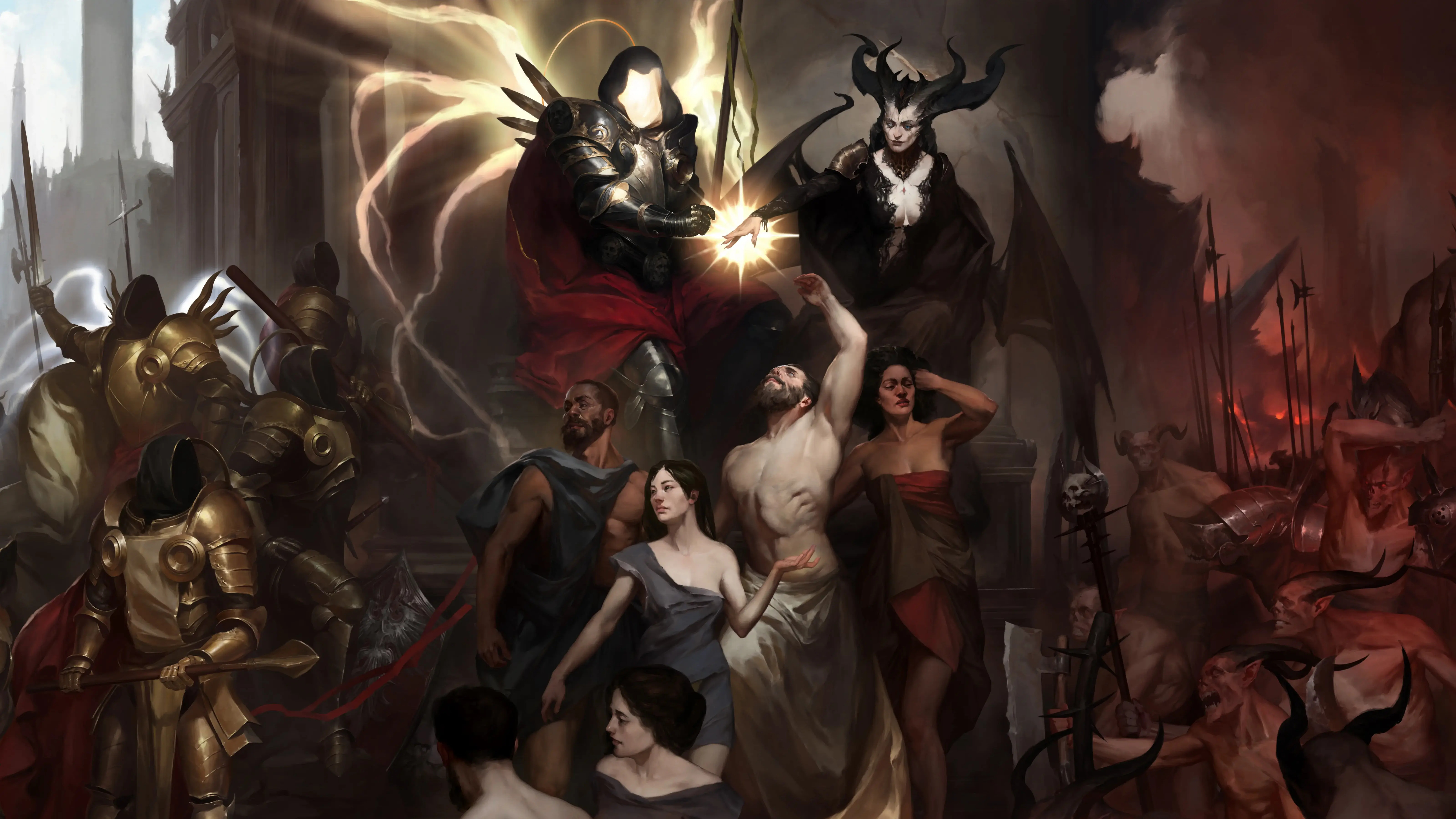
The story of Diablo 4 focuses on the rise of Lilith, the Daughter of Hatred, as she seeks to plunge Sanctuary into chaos. The narrative is darker and more mature than previous games, with heavy themes of corruption, sacrifice, and the struggle between good and evil. Blizzard has done an excellent job weaving together a compelling story that is both personal and epic in scope.
The world of Diablo 4 is rich with lore, and much of it is delivered through environmental storytelling and dialogue with NPCs. For fans of the series, there are plenty of callbacks to previous games, but newcomers will also find the story accessible. The cutscenes are beautifully rendered, and the voice acting is top-notch, helping to draw players into the grim world of Sanctuary.
Lilith, as the primary antagonist, is a fascinating character. Her motivations are complex, and she stands out as one of the most memorable villains in the series. The story takes players on a journey across Sanctuary, from crumbling ruins to towering cathedrals, and the pacing is well-done, balancing moments of high tension with slower, more atmospheric segments.
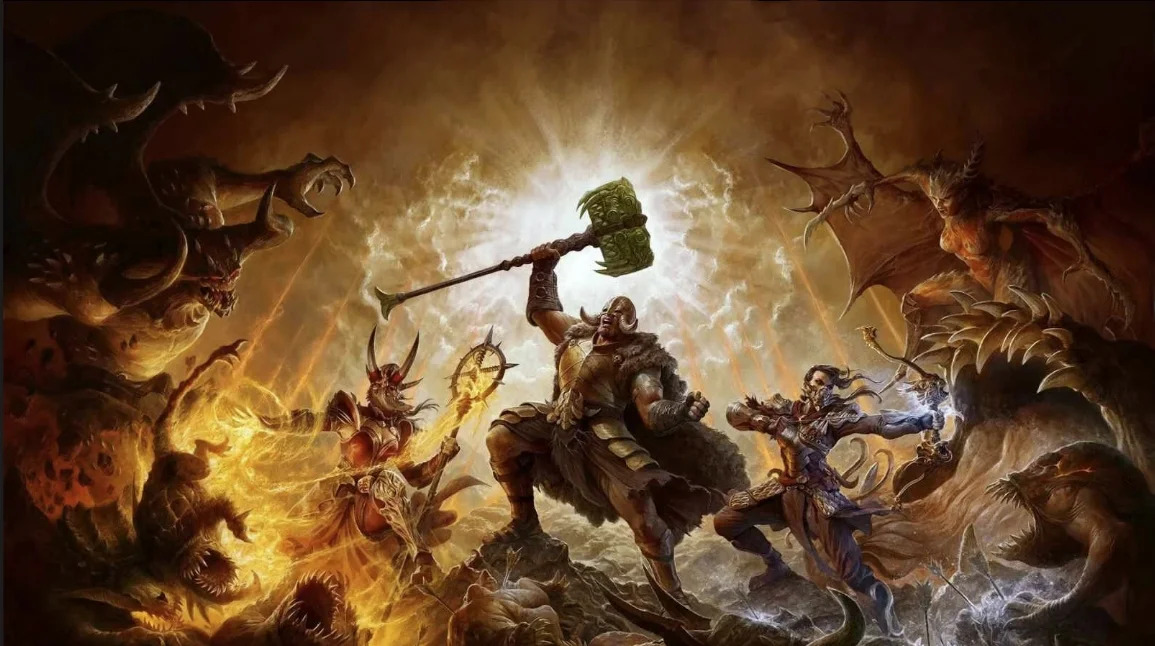
At its core, Diablo 4 is a fun and addictive game. The combat is fast-paced and satisfying, the loot system is rewarding, and the world is full of secrets to discover. Whether you’re playing solo or with friends, Diablo 4 offers countless hours of entertainment.
The addition of world events, seasonal content, and a variety of classes ensures that there is plenty to do even after the main story is completed. Endgame content, such as Nightmare Dungeons and Helltide events, provides challenging activities for players seeking the best gear and further progression.
Blizzard has also promised continued support for Diablo 4 through future expansions and updates, which will likely add new areas, classes, and storylines to keep players engaged for years to come.
Diablo 4 is a bold step forward for the franchise, blending the best elements of previous games with modern innovations. The open world, dark atmosphere, and engaging gameplay make it a must-play for fans of action RPGs. While there are some minor flaws, such as the limited trading system and the cosmetic-heavy monetization, these do little to detract from the overall experience.
For both newcomers and long-time fans, Diablo 4 offers a rich, immersive world filled with endless opportunities for adventure, and it stands as one of the best entries in the series to date. Whether you're a lore enthusiast, a loot grinder, or just looking for a dark, gothic world to get lost in, Diablo 4 delivers on almost every front.
My Journey Through Sanctuary
I started my journey with Diablo 4 back in late 2023 when the game was released on Steam. At the time, I didn’t have much knowledge about the Diablo franchise, and to be honest, it was my first-ever Diablo game. With little understanding of the game’s mechanics and lore, I jumped into it with an open mind. To my surprise, the first few hours were an absolute blast. The dark, atmospheric world of Sanctuary, combined with fast-paced combat, hooked me immediately.
But as time went on, things started to change. After about 20 hours of playtime, the initial excitement started to fade. The game became repetitive for me, and I found myself less engaged. After a while, I quit playing entirely. It was a natural pause; the grind was starting to feel tedious, and I simply lost motivation to keep going.
Several months passed, and as I cycled through different games, none seemed to hold my attention for long. That’s when the idea of giving Diablo 4 another shot came to mind. So I reinstalled the game, expecting a casual return. But what happened next was surprising — in just a few hours, the game pulled me back in. Suddenly, I went from a 20-hour casual player to clocking in a total of 60 hours within two weeks. The grind, which had once felt dull, now became an obsession.
When I came back to Diablo 4, something clicked. It felt like I was experiencing the game through fresh eyes. I wasn’t just aimlessly running through quests or slashing my way through hordes of demons anymore. Instead, I started paying more attention to the details — the lore, the world-building, and how each mechanic fit into the larger picture. It felt like the game was more than just a hack-and-slash to me at this point; it became a space where I could lose myself for hours, exploring the dark, immersive world of Sanctuary.
One of the turning points in my journey was when I started experimenting with builds. I began to realize how the game’s mechanics had more depth than I initially gave them credit for. At first, I was simply mashing buttons, casting skills without much thought. But as I got deeper into the game, I learned the importance of synergies between skills, gear, and paragon points. The more I fine-tuned my Rogue’s abilities, the more satisfying combat became. That sense of control and mastery over my character was addictive. Suddenly, I was no longer the casual player who barely scratched the surface — I was fully engaged in mastering my class and pushing the limits of my gameplay.
The lore of Diablo 4 also started resonating with me. As someone who hadn’t played the previous games, I initially didn’t know much about the world of Sanctuary, the Eternal Conflict, or the battle between Heaven and Hell. But as I delved deeper into the story, I started to appreciate just how rich the narrative was. The despair that loomed over every town, the tragic tales of fallen heroes, and the sinister presence of Lilith began to draw me in. Suddenly, I wasn’t just grinding for loot or leveling up; I was part of something much bigger — an ongoing struggle that had spanned millennia. I found myself reading into the background of characters, watching cutscenes with more interest, and paying attention to every bit of lore scattered throughout the world.
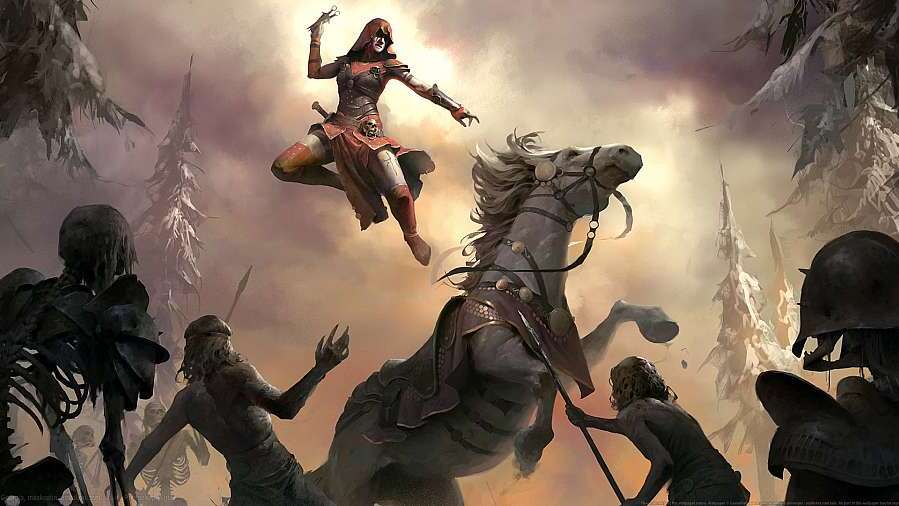

Today, I’m fully immersed in Diablo 4. It’s currently my number one game, and with the release of the new expansion, Vessel of Hatred, things have only gotten better. The expansion has brought a lot of players back, and it feels like the game has been revitalized with new features, gear, and mechanics that keep it fresh. The addition of the Spiritborn class has added an extra layer of diversity to the game, even though I’m still sticking with my trusty Rogue. I’ve always been a bit of a Rogue one-trick, mastering the quick, stealthy playstyle the class offers.
The expansion also introduced new zones, world events, and tweaks to the overall gameplay that make the game more dynamic. The grind that once pushed me away is now more fun than ever with new rewards and challenges to keep you engaged. The return of players has also made the world feel more alive, with more people tackling the high-level content, trading, and engaging in multiplayer events.
As of now, I’ve sunk a whopping 300 hours into the game, and it’s still holding my interest. I’m always discovering new ways to improve my builds, tackle more difficult dungeons, and collect rare items. It’s hard to believe that I once thought the game was getting boring because now it feels like there’s so much to do that I can’t put it down.